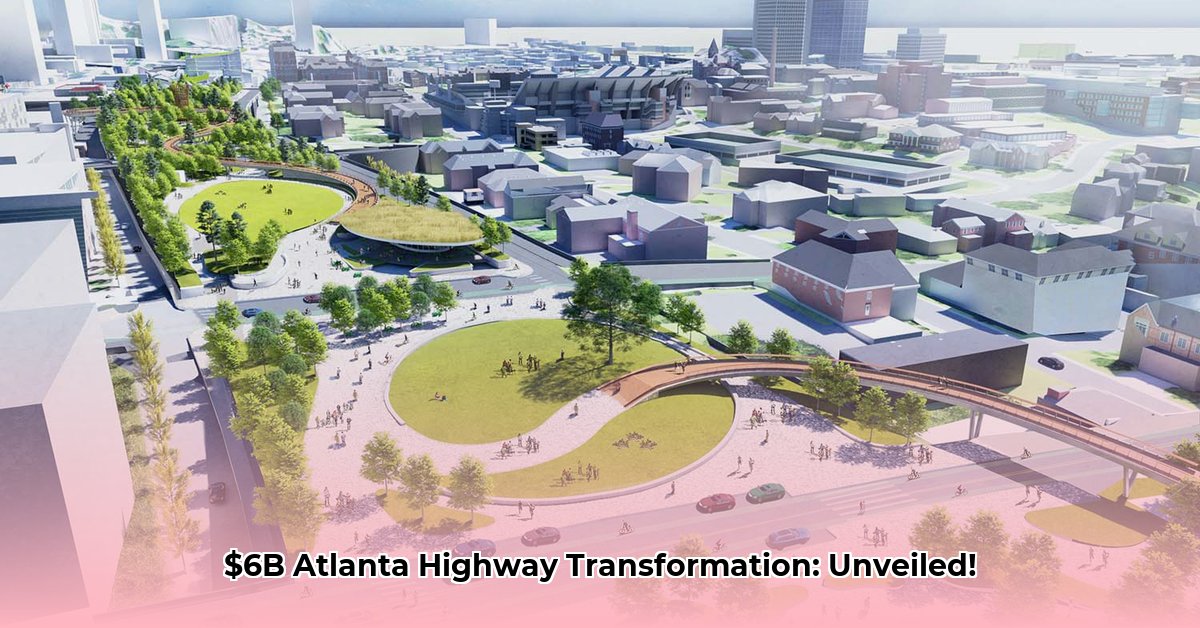
Atlanta is embarking on a $6 billion transformation of its highway system, a project poised to reshape the city's infrastructure and daily life. This ambitious undertaking promises smoother commutes and a modernized network, but it also presents significant challenges and risks. This article examines the multifaceted aspects of this redevelopment, weighing potential benefits against potential drawbacks, and exploring strategies for equitable and sustainable outcomes. For examples of past highway projects, see this case study.
Revamping Roads and Rethinking Transportation
The core of the $6 billion initiative involves significant upgrades to existing highways, including major overhauls of sections of Georgia 400 and the notoriously congested I-285/I-20 interchange. The primary goal is to alleviate traffic congestion and improve commute times. This represents a necessary investment in Atlanta's aging infrastructure, struggling to meet the demands of a growing population. However, the effectiveness of simply adding lanes is a subject of ongoing debate. Some experts warn of "induced demand" – where increased capacity attracts more drivers, potentially negating the benefits and even worsening congestion. Others argue that the existing system is failing and that expansion is unavoidable, while concurrently exploring innovative solutions for the future. The long-term impact remains a subject of ongoing analysis.
Beyond the Pavement: People and Places
The redevelopment extends beyond road widening. The city emphasizes "Complete Streets" initiatives, aiming to improve safety and accessibility for pedestrians and cyclists. This includes enhanced sidewalks, dedicated bike lanes, and safer crosswalks, aiming to create a more inclusive and enjoyable urban environment. However, ensuring equitable access for all remains a concern. Some fear that improvements primarily benefit drivers, potentially marginalizing those who rely on walking, cycling, or public transport. The Georgia 400 upgrades, for instance, include transit improvements, but their ultimate impact on diverse populations remains to be seen and will require rigorous monitoring.
The Money, the Time, and the Risks: Navigating Potential Pitfalls
A project of this magnitude carries inherent risks. Staying on budget and schedule will be a significant challenge. Past experience with large-scale infrastructure projects suggests a potential for cost overruns and delays. The following risk assessment highlights some key potential problems and mitigation strategies:
| Project | Potential Problem | Likelihood | Severity | Mitigation Strategy |
|---|---|---|---|---|
| Georgia 400 Toll Lanes | Budget overruns | Moderate | High | Detailed budgeting, contingency funds, ongoing audits |
| I-285/I-20 Interchange | Construction delays | Moderate | High | Efficient scheduling, experienced contractors, flexibility built into timelines |
| Complete Streets Initiatives | Public resistance | Low | Medium | Extensive community outreach, transparent communication, addressing concerns proactively |
| Bridge Replacements | Structural weaknesses | Low | High | Strict inspections, use of high-quality materials, regular maintenance |
| Sidewalk Improvements | Accessibility issues | Low | Medium | Strict adherence to ADA standards, community input on design |
Addressing these challenges will require careful planning, transparent communication, and adaptive strategies to manage unforeseen circumstances.
Working Together: Collaboration and Consensus-Building
The redevelopment involves numerous stakeholders, including the City of Atlanta, the Georgia Department of Transportation (GDOT), MARTA, residents, and environmental groups. Effective collaboration and communication between these entities is pivotal to the project's success. Building consensus among these diverse stakeholders, each with their own priorities, will be an ongoing process.
The Bigger Picture: Towards a Sustainable Transportation Future
Expanding road capacity alone is not a sustainable long-term solution. Atlanta requires a comprehensive transportation strategy that caters to all modes of transport, ensuring equitable access for all residents. This necessitates robust funding, continuous monitoring, and consistent engagement with the community. Only through a holistic approach can this $6 billion investment truly deliver a better future for Atlantans. The current plans represent just the first step—ongoing evaluation and adaptation based on data and feedback are crucial for achieving lasting success.
Mitigating Environmental Impacts: A Multi-pronged Approach
The environmental consequences of this massive undertaking cannot be ignored. Atlanta faces challenges related to air and water pollution, habitat loss, and the impact of an aging combined sewer system, which has experienced a 75% increase in rainfall over seven decades. A comprehensive strategy is needed to minimize these impacts.
1. Strengthening Environmental Impact Assessments (EIAs): EIAs must be thorough and comprehensive, considering the cumulative environmental effects of all projects.
2. Investing in Green Infrastructure: Integrating green infrastructure, such as green roofs and permeable pavements, into highway designs can help mitigate pollution and improve air quality.
3. Upgrading the Combined Sewer System: Investing in infrastructure improvements to the combined sewer system is critical for reducing water pollution.
4. Prioritizing Public Transportation: Shifting to public transportation can significantly reduce traffic congestion and vehicle emissions.
5. Community Engagement and Environmental Justice: Ensuring equitable access to green spaces and mitigating pollution in historically disadvantaged communities is crucial.
Key Takeaways:
- The $6 billion Atlanta highway redevelopment presents both opportunities and challenges.
- Success depends on a balanced approach that prioritizes both infrastructure improvements and equitable access.
- Thorough risk management and ongoing community engagement are critical for achieving long-term success.
- Mitigating environmental impacts requires a multi-pronged approach including comprehensive EIAs, green infrastructure, and investment in public transit.